India Has Pulled 2,411 Citizens From Myanmar's Cyber-Scam Compounds as a Global Crackdown Closes In
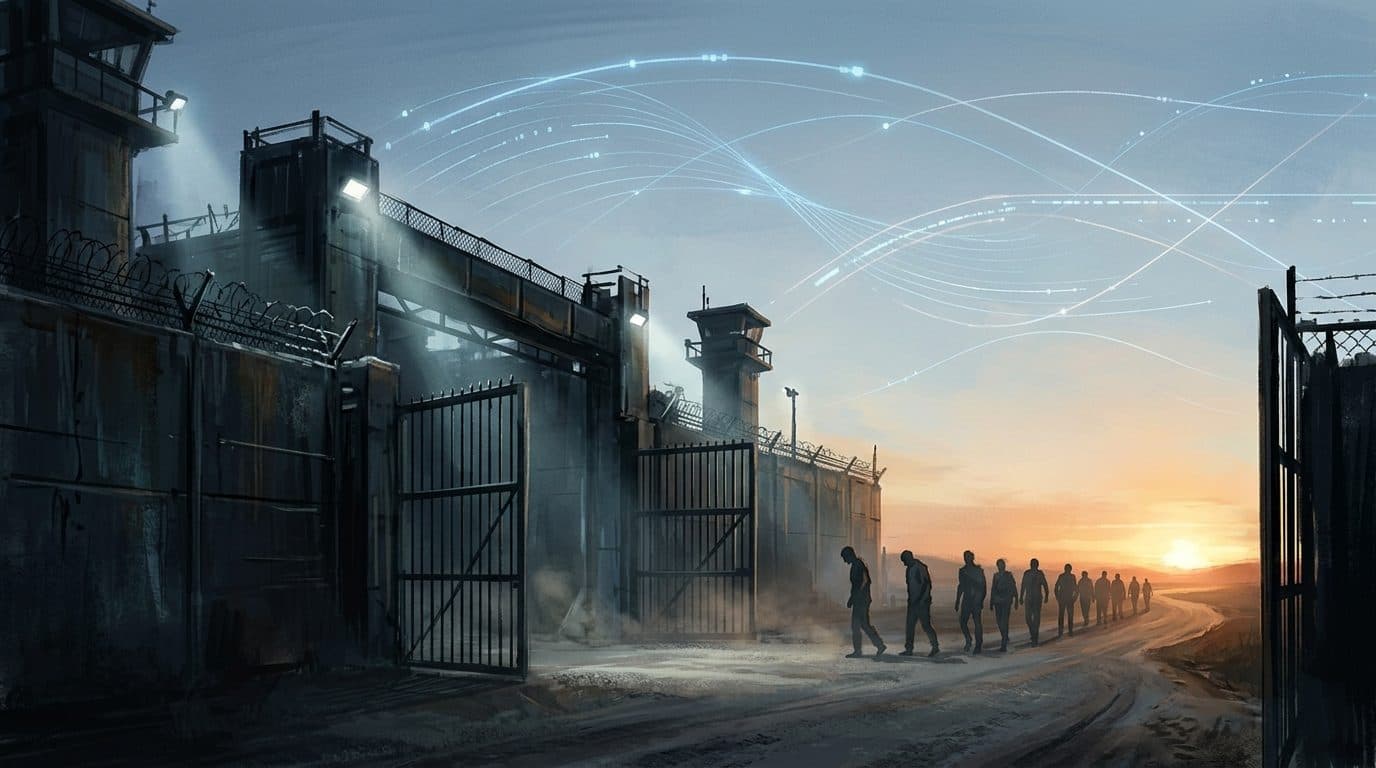
India has repatriated 2,411 nationals from Myanmar's cyber-scam compounds and rescued hundreds more from Cambodia, even as a US-led 'Disruption Week' froze millions in crypto and shut down millions of fraud accounts. Two fronts, one war on the scam-compound economy.
For more than a year, India has been quietly running one of its largest overseas rescue operations of the digital age. The people it is bringing home were not kidnapped for ransom in any traditional sense. They were lured abroad with the promise of well paid technology jobs, then trapped behind the walls of industrial cyber-scam compounds and forced to defraud strangers around the world.
India's rescue front
The Ministry of External Affairs confirmed on 1 June 2026 that 2,411 Indian nationals have been repatriated from cyber-scam compounds in Myanmar over roughly the past eighteen months. More than 150 Indians are still believed to be trapped inside.
Myanmar is only part of the picture. Around 520 Indians were rescued from illegal scam centres in Cambodia between 2023 and early 2025, through a coordinated effort by the MEA, the Ministry of Home Affairs and the Maharashtra Cyber cell. The pace has been relentless: 549 citizens were brought back in March 2025 and more than 60 in April. In November 2025, two Indian Air Force transport aircraft airlifted 270 exhausted nationals, including 26 women, out of the notorious compounds of Myawaddy on the Myanmar-Thailand border.
How the compounds actually work
The recruitment script is consistent across the region. Victims are offered high paying technical or customer support roles, usually routed through Thailand. On arrival their passports and identity documents are seized, and they are moved across the border into fortified compounds in Myanmar, Cambodia or Laos. Inside, they are forced to run investment scams, fake cryptocurrency schemes and romance frauds against targets worldwide, frequently under threat of violence.
The result is a grim feedback loop. Trafficking victims from countries like India are made to commit the very crimes that then ensnare new financial victims, in India, the United States and far beyond.
The global crackdown
That global dimension is exactly what a United States led operation set out to disrupt. On 18 May 2026 the Scam Center Strike Force launched "Disruption Week," a coordinated push by the US Department of Justice and private industry against the infrastructure these compounds depend on.
By the end of it, private sector partners had voluntarily frozen more than 3.8 million dollars in cryptocurrency tied to laundering money stolen from victims, with Coinbase accounting for roughly 3 million dollars of that total. Meta disabled over 1.4 million accounts, pages and groups across Facebook and Instagram, Microsoft suspended about 20,000 fraudulent accounts, and 63 people were arrested.
The financial stakes explain the urgency. In the United States alone, reported losses to cryptocurrency investment scams have climbed from 3.96 billion dollars in 2023 to 5.8 billion in 2024, and to more than 7.2 billion in 2025.
Two fronts of one war
India and the United States are confronting the same machine from opposite ends. India is pulling its citizens out of the compounds that supply the forced labour. The US led coalition is choking the money, accounts and platforms that make the fraud profitable. These are separate operations, not a single joint action, but they target the same criminal economy.
| India's rescue front | The global disruption front | |
|---|---|---|
| Who leads | MEA, MHA, Maharashtra Cyber | US DOJ Scam Center Strike Force with industry partners |
| Main lever | Freeing trafficked workers | Freezing money, accounts and platforms |
| Key numbers | 2,411 repatriated from Myanmar, about 520 from Cambodia, 150+ still trapped | 3.8M dollars in crypto frozen, 1.4M+ Meta accounts, about 20,000 Microsoft accounts, 63 arrested |
| Window | Roughly eighteen months to June 2026 | "Disruption Week" from 18 May 2026 |
What it means for Indian readers
The lesson cuts two ways. The same syndicates that traffic Indian workers also run the pig-butchering investment scams that drain Indian bank accounts, so the awareness that protects a job seeker also protects an investor. India's repatriation drive proves the state can act at scale, but with citizens still trapped and fresh recruits lured every month, rescue alone cannot keep pace. The durable fix is the one the global coalition is now testing: making the compounds unprofitable by cutting off the crypto rails, the fake accounts and the platforms that carry the fraud.
Sources
- The Tribune: Over 2,400 Indians repatriated from Myanmar cyber scam compounds, 150 still trapped (MEA)
- ANI: Over 2,400 Indians repatriated from Myanmar cyber scam compounds
- Lokmat Times: 520 Indians rescued from Cambodian scam centres in joint MEA-MHA operation
- US Department of Justice: Scam Center Strike Force announces results of Disruption Week
- The Hacker News: DoJ disrupts Southeast Asia crypto fraud networks, freezes 3.8 million dollars
- crypto.news: Coinbase freezes 3 million dollars as DOJ hits Southeast Asia scam networks